
What Is Prostatitis?
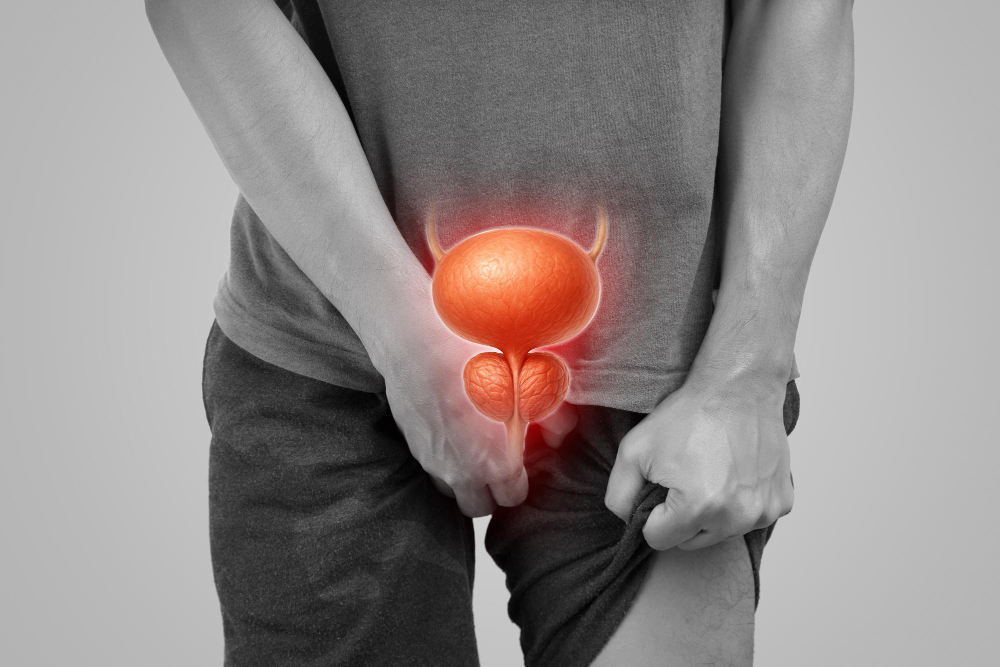
Prostatitis is swelling or infection of the prostate gland. The prostate is a small gland found only in men. It sits below the bladder and helps make semen. Prostatitis can cause pain, trouble urinating, and other symptoms. Sometimes, it happens suddenly. Other times, it can last for months. Because it affects many men, knowing the risk factors of prostatitis is important. This helps with prostatitis prevention and understanding who is at risk for prostatitis.
Why Understanding Risk Factors Matters
Knowing the causes of prostatitis helps you take steps to stay healthy. For example, if you know what increases your risk, you can try to avoid those things. Also, learning about risk factors can help you spot symptoms early. Early action often leads to better outcomes. In addition, understanding risks can help you talk with your doctor about prostatitis prevention.
Main Risk Factors of Prostatitis
Several things can raise your chances of getting prostatitis. Below are the main risk factors:
How to Lower Your Risk
Although you cannot control every risk factor, you can take steps to lower your risk of prostatitis. For instance, you can:
By following these tips, you may reduce your chances of getting prostatitis.
When to See a Doctor
Sometimes, prostatitis can cause serious problems if not treated. Therefore, you should see a doctor if you have:
Early treatment can help prevent complications. So, do not wait if you notice these symptoms.
Consult a urologist at Gurukripaa Multispeciality Wellness Centre for personalized advice on prostatitis risk and prevention.