
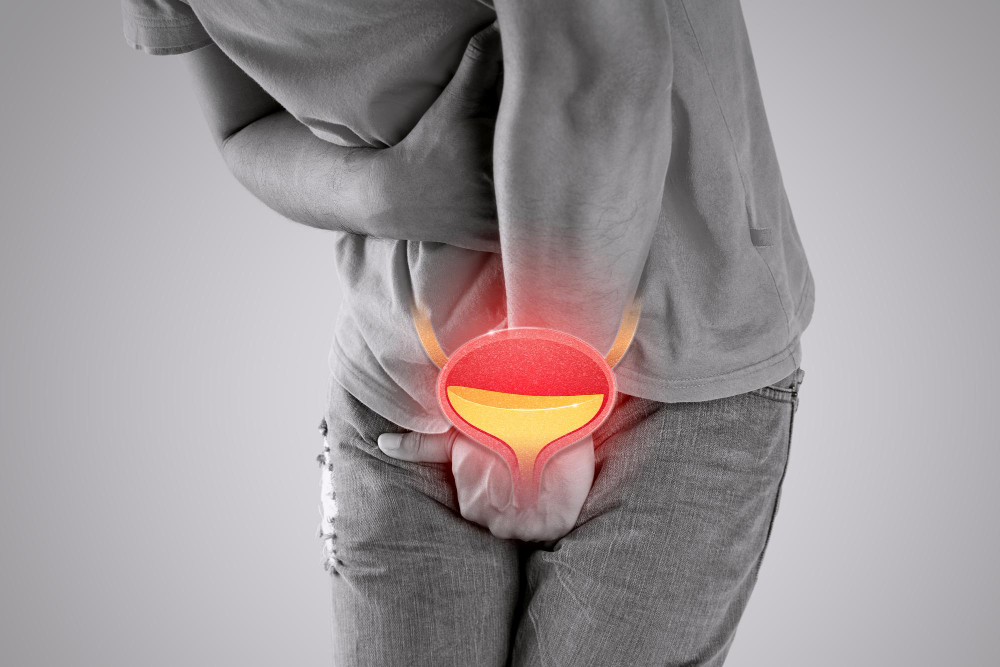
What is Overactive Bladder?
Overactive bladder is a condition that causes a sudden urge to urinate. Often, this urge is hard to control. Many people with overactive bladder may also have frequent urination or wake up at night to use the bathroom. Because of this, daily life can be affected. Overactive bladder is not a disease, but it is a group of symptoms related to bladder control. According to the CDC, millions of people experience this problem. While it is more common as people age, it can affect anyone. Understanding overactive bladder can help you find the right treatment and improve your quality of life.
Common Symptoms
Overactive bladder can cause several symptoms. For example, you may notice changes in your bathroom habits. Early recognition of these signs can help you seek help sooner. Common symptoms include:
Sometimes, these symptoms can be mild. However, for some people, they can be severe and disrupt daily life. If you notice these signs, it is important to talk to your doctor.
Causes and Risk Factors
There are many reasons why someone may develop overactive bladder. In some cases, the cause is not clear. However, several factors can increase your risk. These include:
Additionally, some medicines can irritate the bladder. For example, diuretics (water pills) may increase urination. Knowing your risk factors can help you make healthy choices for better bladder health.
How Overactive Bladder is Diagnosed
If you think you have overactive bladder, your doctor will start with a medical history. Next, they may ask about your symptoms and bathroom habits. Often, a physical exam is done. Your doctor may also ask you to keep a bladder diary. This means writing down when you urinate and how much. In some cases, tests may be needed. These can include:
With these steps, your doctor can rule out other problems and find the best treatment for you.
Treatment Options
There are many ways to treat overactive bladder. Treatment depends on your symptoms and health. For many people, simple changes can help. However, some may need medicine or other therapies. Common overactive bladder treatment options include:
Because every person is different, your doctor will help you choose the best plan. If you are looking for overactive bladder treatment in your area, many clinics offer expert care.
Lifestyle Tips and Prevention
While overactive bladder can be challenging, there are steps you can take to manage it. For example, these bladder health tips may help:
In addition, managing chronic conditions like diabetes can lower your risk. If you want to know how to manage overactive bladder, these tips are a good place to start.
When to See a Doctor
Sometimes, overactive bladder symptoms can be a sign of another health problem. Therefore, it is important to see a doctor if:
Early treatment can help prevent complications. If you live in a city or region with urology specialists, consider making an appointment for expert advice.
In summary, an overactive bladder is common but treatable. With the right care, you can manage symptoms and improve your quality of life. Consult a urology specialist at Gurukripaa Multispeciality Wellness Centre for personalised guidance on managing an overactive bladder.