
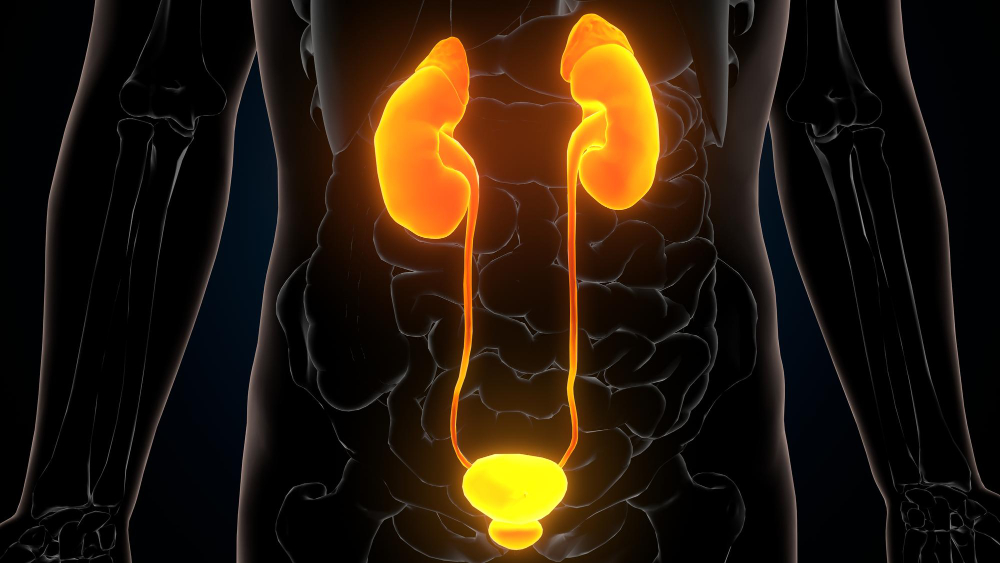
What is Hydronephrosis?
Hydronephrosis is a condition where one or both kidneys swell. This happens because urine cannot drain properly from the kidney to the bladder. As a result, urine builds up and causes the kidney to stretch. Understanding the causes and consequences of hydronephrosis is important. Early knowledge helps you spot symptoms and seek help quickly. Hydronephrosis can affect people of any age, including children and adults. Often, it is linked to other health problems. However, with the right care, many people recover well.
Causes of Hydronephrosis
There are several reasons why hydronephrosis can develop. Sometimes, the cause is inside the urinary tract. Other times, it is due to problems outside the tract. Below are the most common causes:
In addition, scar tissue from past surgeries or injuries can also cause blockages. Sometimes, the cause is not clear. But, doctors can often find the reason with tests. Knowing the cause helps guide the right treatment.
Consequences of Hydronephrosis
If hydronephrosis is not treated, it can lead to serious problems. The main issue is kidney damage. When urine stays in the kidney, it puts pressure on the kidney tissue. Over time, this can harm the kidney’s ability to work. Below are some possible consequences:
Moreover, untreated hydronephrosis can lead to other health issues. For example, it may increase the risk of urinary tract infections. Early treatment lowers the chance of these complications. According to the CDC, prompt care can prevent most long-term problems.
When to See a Doctor
It is important to know when to seek medical help. If you notice symptoms of hydronephrosis, do not wait. Common signs include:
Sometimes, hydronephrosis does not cause symptoms right away. However, if you have risk factors like kidney stones or an enlarged prostate, regular check-ups are wise. Early action can prevent complications.
Prevention and Lifestyle Tips
While not all cases can be prevented, you can lower your risk. Here are some tips to help keep your kidneys healthy:
Additionally, avoid overusing painkillers, as some can harm the kidneys. If you are pregnant, attend all prenatal visits to check for urinary problems. Simple steps can make a big difference in your kidney health.
Conclusion
Hydronephrosis is a serious condition, but early action can help. If you suspect hydronephrosis or have symptoms, consult a urology specialist Dr. Rohit Kumar for personalized guidance.