
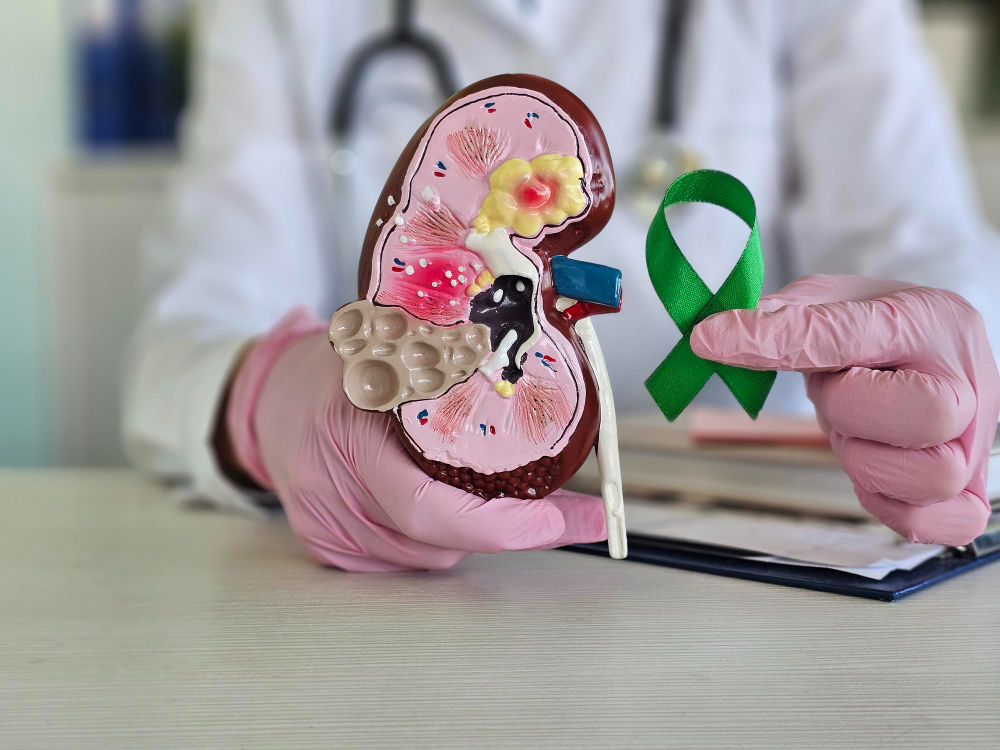
What Is Kidney Cancer?
Kidney cancer starts in the kidneys, which are two bean-shaped organs. They sit on each side of your spine, just below your rib cage. These organs help remove waste and extra fluid from your blood. They also help control blood pressure. When cells in the kidney grow out of control, they can form a tumor. This is called kidney cancer. According to the World Health Organization, kidney cancer is one of the top ten cancers worldwide. Although it can affect anyone, it is more common in adults over 45.
Why Early Detection Matters
Early detection of kidney cancer can save lives. When found early, kidney cancer is easier to treat. In fact, the chances of a full recovery are much higher. However, many people do not notice symptoms at first. Because of this, the cancer can grow and spread before it is found. Therefore, knowing the early warning signs is very important. If you catch kidney cancer early, you may need less aggressive treatment. You may also have fewer side effects and a better quality of life.
Early Warning Signs of Kidney Cancer
Kidney cancer often does not cause symptoms in the early stages. However, some warning signs can appear as the tumor grows. If you notice any of these symptoms, you should pay attention:
Sometimes, these symptoms can be caused by other health problems. Still, it is important not to ignore them. For example, blood in the urine is a key sign that should always be checked by a doctor.
When to See a Doctor
If you notice any early warning signs of kidney cancer, you should see a healthcare provider soon. Even if your symptoms seem mild, it is better to be safe. Early action can make a big difference. For instance, if you have blood in your urine, do not wait to see if it goes away. Instead, schedule a visit with your doctor right away. If you have ongoing pain in your side or back, or if you feel a lump, get it checked. Your doctor can help find the cause and suggest the next steps.
Diagnosis and Next Steps
Doctors use several tests to diagnose kidney cancer. First, they may ask about your symptoms and medical history. Next, they might order urine and blood tests. These tests can show if your kidneys are working well. In addition, imaging tests like ultrasound, CT scans, or MRI scans help doctors see the kidneys clearly. Sometimes, a small sample of tissue (biopsy) is needed to confirm the diagnosis. If kidney cancer is found, your doctor will talk with you about treatment options. These may include surgery, targeted therapy, or other treatments. Early diagnosis often means more choices and better results.
Prevention and Lifestyle Tips
While you cannot always prevent kidney cancer, some healthy habits can lower your risk. Here are some tips to help protect your kidneys:
By making these changes, you can help keep your kidneys healthy. Even so, regular check-ups are important, especially if you have risk factors like family history or high blood pressure.
If you notice any early warning signs of kidney cancer, consult Dr. Rohit Kumar for personalized advice.