
Introduction
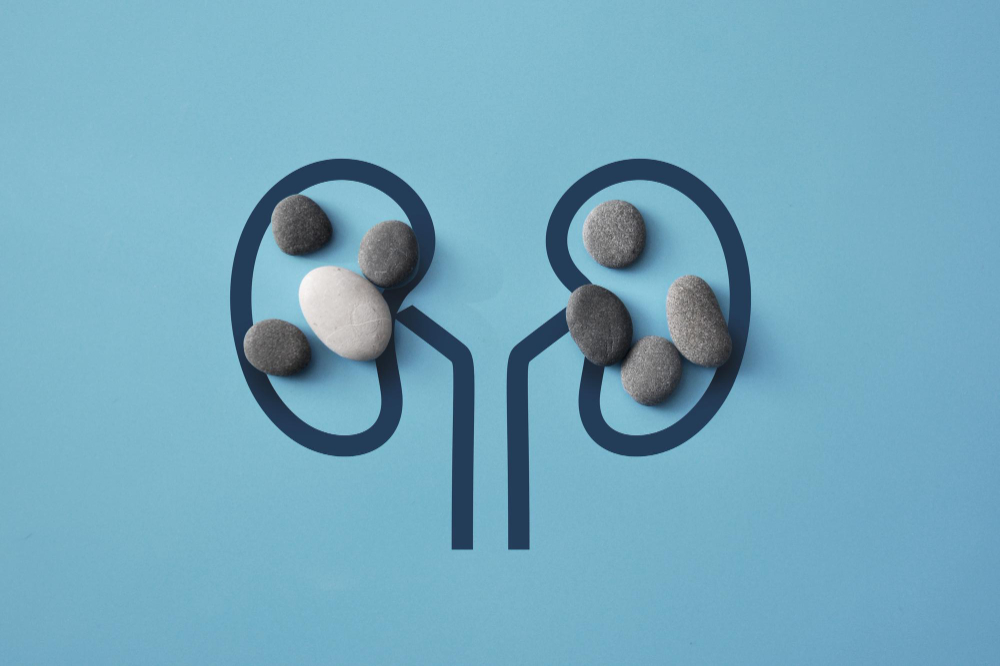
Kidney stones are hard deposits that form in your kidneys. They can cause pain and other problems if not treated. Knowing the symptoms of kidney stones can help you get care quickly. Early signs of kidney stones may be mild, but they can get worse fast. Because symptoms can vary, it is important to know what to watch for. Recognizing kidney stones early can prevent serious health issues. According to the CDC, kidney stones are a common problem in the US.
What Are Kidney Stones?
Kidney stones are small, hard lumps made of minerals and salts. They form inside your kidneys. Sometimes, they move into the tubes that carry urine. When this happens, they can block the flow of urine. As a result, you may feel pain or notice other symptoms. Anyone can get kidney stones, but some people are at higher risk. For example, people who do not drink enough water or have certain health problems may be more likely to get them.
Common Symptoms of Kidney Stones
Kidney stones can cause many symptoms. However, not everyone will have all of them. Below are the most common signs to look for:
Sometimes, early signs of kidney stones are mild. For example, you might only notice a dull ache. But as the stone moves, pain from kidney stones can become severe. If you notice any of these kidney stone warning signs, pay close attention to your body.
When to Seek Medical Help
Although some kidney stones pass on their own, others need treatment. Therefore, it is important to know when to get help. Seek medical care right away if you have:
If you live in the US and notice these symptoms, do not wait. Quick treatment can prevent problems. According to the National Kidney Foundation, untreated kidney stones can lead to infections or kidney damage.
How Symptoms May Differ by Age or Gender
Symptoms of kidney stones can vary by age and gender. For instance, children may not be able to describe their pain well. They might just seem irritable or have belly pain. In women, pain from kidney stones can sometimes be mistaken for menstrual cramps or a urinary infection. Men may feel pain that spreads to the groin or testicles. Because symptoms can be different, it is important to pay attention to any unusual pain or changes in urination.
Frequently Asked Questions (FAQs)
What are the early signs of kidney stones?
Early signs can include mild back pain, cloudy urine, or a frequent urge to urinate. Sometimes, you may not notice any symptoms until the stone moves.
How long does pain from kidney stones last?
Pain can last for minutes or hours. It often comes in waves. If the stone is small, it may pass quickly. Larger stones may cause pain for longer.
Can kidney stones go away on their own?
Yes, small stones can pass without treatment. However, larger stones may need medical help. Always talk to a doctor if you are unsure.
Are kidney stone symptoms different in men and women?
Sometimes, yes. Women may think the pain is from their period or a bladder infection. Men may feel pain in the groin area.
When should I see a doctor?
See a doctor if you have severe pain, blood in your urine, fever, or trouble urinating. Quick care can help prevent problems.
Conclusion
In summary, recognizing kidney stones early can help you get the right care. If you notice any symptoms of kidney stones, consult a healthcare professional at Gurukripaa Multispeciality Wellness Centre for personalized advice.