
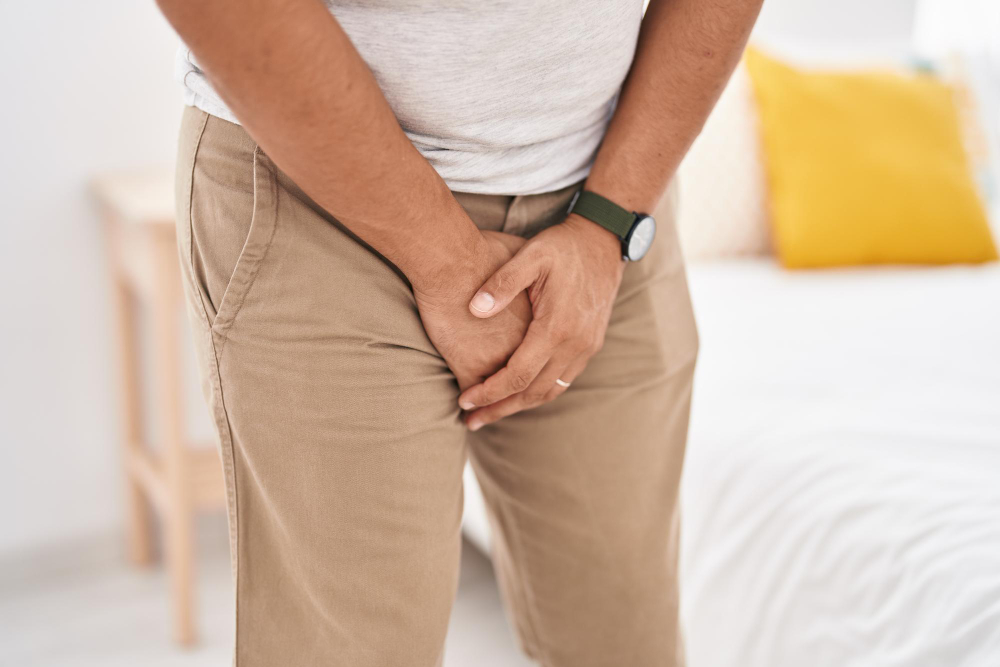
Introduction to UTI in Men
Urinary tract infections (UTIs) are common, but many people think they only affect women. However, UTI in men can also happen and may cause serious problems if not treated. A UTI in men means there is an infection in any part of the urinary tract, such as the bladder, urethra, or kidneys. Early detection and treatment are important. In this blog, you will learn about urinary tract infection male symptoms, causes, diagnosis, how to treat UTI in men, and ways of preventing UTI in men.
Symptoms of UTI in Men
UTI in men can cause a range of symptoms. Sometimes, the signs are mild, but they can also be severe. For example, you may notice changes when you urinate. Below are common symptoms:
However, not everyone has all these symptoms. If you notice any of them, it is wise to seek help.
Causes and Risk Factors
UTI in men happens when bacteria enter the urinary tract. Usually, the body can flush out these germs, but sometimes they stay and cause infection. There are several reasons why men may get a UTI. For instance, some health conditions can increase the risk.
In addition, older men are more likely to get UTIs. According to the CDC, men over 50 have a higher risk, especially if they have prostate problems.
Diagnosis Methods
Doctors use several methods to diagnose UTI in men. First, they will ask about your symptoms and medical history. Next, they may order tests to confirm the infection. Common diagnosis steps include:
Because some symptoms can look like other problems, proper testing is important. This helps your doctor find the right treatment.
Treatment Options
Treating UTI in men usually involves antibiotics. Your doctor will choose the best medicine based on the type of bacteria found. Most men start to feel better within a few days. However, it is important to finish all the medicine, even if you feel fine. In rare cases, you may need to stay in the hospital if the infection is severe or has spread to the kidneys.
Along with antibiotics, you can:
If you have frequent UTIs, your doctor may check for other health issues.
Prevention Tips
Preventing UTI in men is possible with some simple steps. For example, good hygiene and healthy habits can lower your risk. Try these tips:
Additionally, if you have an enlarged prostate or use a catheter, follow your doctor’s advice closely.
When to See a Doctor
Sometimes, mild symptoms may go away on their own. However, it is best to see a doctor if:
Early treatment can prevent serious problems. In some cases, untreated UTI in men can lead to kidney damage or other health issues.
In summary, UTI in men is treatable and preventable. If you notice symptoms, do not wait. Consult a urologist at Gurukripaa Multispeciality Wellness Centre for personalized advice if you suspect a UTI.