

.png)
Everything You Need to Know About Urinary Tract Infections (UTIs)
Urinary Tract Infections, or UTIs, are very common and can affect anyone, though they are more common in women. A UTI happens when bacteria enter the urinary tract and cause an infection. This can lead to pain, discomfort, and other symptoms that shouldn't be ignored.
UTIs are usually caused by bacteria, especially E. coli, which live in the intestines. These bacteria can travel to the urethra and bladder, leading to an infection. Poor hygiene, dehydration, holding in urine for too long, or sexual activity can all increase the risk of getting a UTI.
Common Symptoms
Here are some signs you might have a UTI:
- A burning feeling while urinating
- Frequent urge to urinate, even if little comes out
- Cloudy or strong-smelling urine
- Lower belly or back pain
- Fever or chills (if the infection has reached the kidneys)
If you notice any of these symptoms, it’s important to see a doctor quickly to avoid complications.
How Are UTIs Treated?
Most UTIs are easily treated with a short course of antibiotics. Drinking plenty of water also helps flush out the bacteria. In some cases, if the infection is severe or keeps coming back, further tests may be needed.
Dr. Rohit Kumar, a highly experienced urologist, recommends not delaying treatment if you suspect a UTI. Early treatment can help you feel better faster and prevent the infection from spreading.
How to Prevent UTIs
Here are some simple tips to help prevent UTIs:
- Drink plenty of water daily
- Urinate after sexual activity
- Wipe from front to back
- Avoid using irritating feminine products
- Don’t hold in your urine for too long
Dr. Rohit Kumar, known as the best urologist in Noida, also advises regular check-ups for people who frequently get UTIs. Managing underlying conditions like diabetes can also help reduce the risk.
If you're experiencing UTI symptoms or have recurring infections, don’t wait. Consulting the best urologist in Noida can make all the difference in your recovery and long-term health.
Recent Posts
Everything You Need to Know About Urinary Tract Infections (UTIs)
Urinary Tract Infections, or UTIs, are very common and can affect anyone, though they are more common in women...
Eat Well, Live Well: How Diet Can Help Prevent Kidney Failure
Your kidneys play a vital role in keeping your body healthy. They filter waste, balance fluids, and help contr...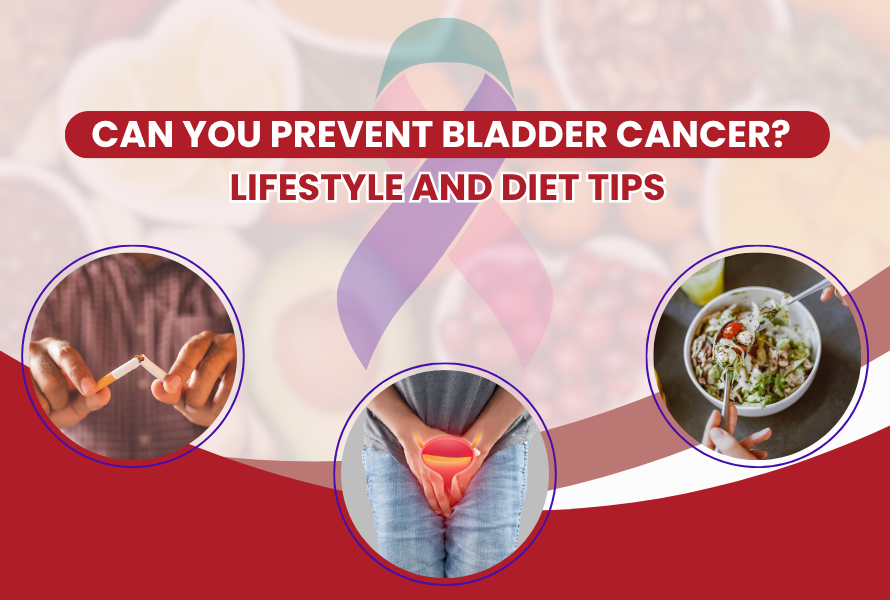
Can You Prevent Bladder Cancer? Lifestyle and Diet Tips
Bladder cancer is a serious condition that affects many people, especially as they get older. While there’s ...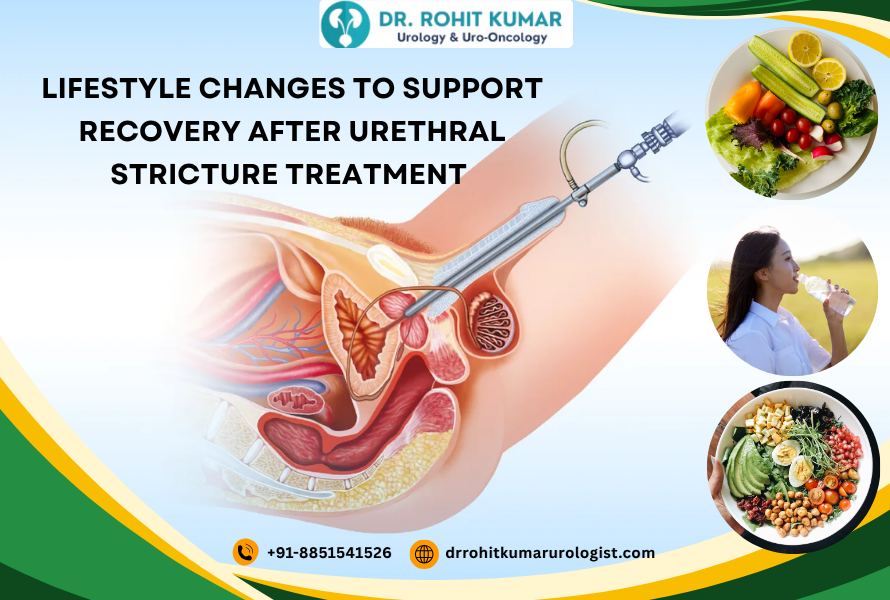
Lifestyle Changes to Support Recovery After Urethral Stricture Treatment – Best Urologist in Noida
Learn essential lifestyle changes to aid recovery after urethral stricture treatment. Tips from the best urolo...
What Are 5 Interesting Facts About the Urinary System?
Discover five fascinating facts about the urinary system and learn how your kidneys and bladder work together ...
Fight & Win: Prostate Cancer Treatment Explained
Explore how prostate cancer is diagnosed and treated, the options available, and how early action helps men fi...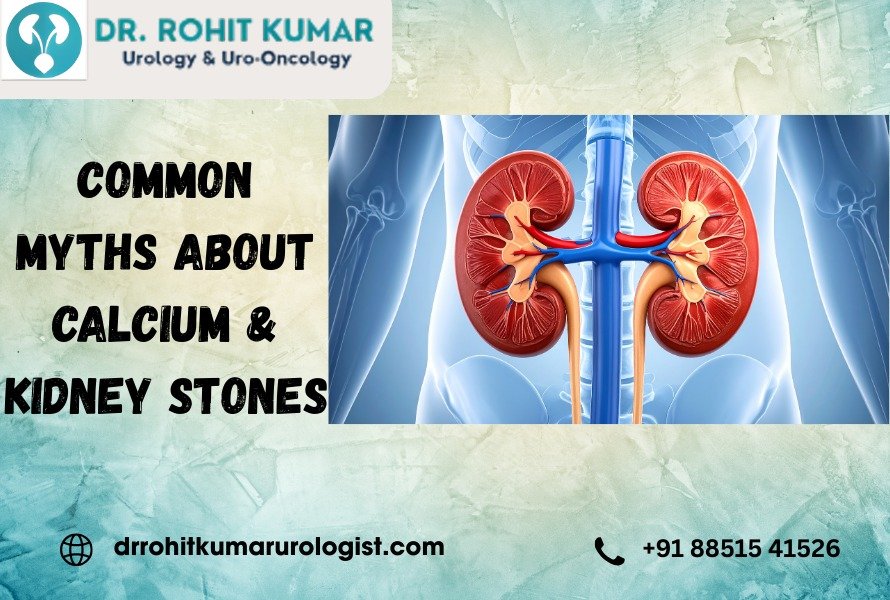
Common Myths About Calcium & Kidney Stones
Do calcium-rich foods cause kidney stones? The Best Urologist in Noida debunks common myths and explains how c....png)
Blood in Semen: What Is Hematospermia?
Learn what hematospermia is, why blood appears in semen, common causes, symptoms to watch for, and when to see....png)
Why Are Young People Getting Kidney Stones?
Learn why kidney stones are becoming common in young people, key risk factors, early symptoms, and tips to pre...
Leaking Urine After Delivery? Know Why It Happens & How to Treat It
Leaking urine after delivery is a common postpartum concern many women experience, especially after vaginal ch...
Prostate Health & ED: The Hidden Connection
Learn how prostate health is linked to erectile dysfunction, common causes of ED, and why early care can impro...
Kidney Stones After Surgery: Can They Return?
Can kidney stones return after surgery? Learn the risk factors, warning signs, and prevention tips to reduce r....png)
Only One Type of Kidney Stone Can Dissolve—Here’s Which
Did you know only one type of kidney stone can dissolve? Learn which type it is, how treatment works, and how ...
Can Kidney Stones Dissolve Naturally? Here’s the Truth You Must Know
Wondering if kidney stones can dissolve naturally? Learn the truth about which kidney stones may pass on their...
Struggling with UTI? Advanced Urinary Tract Infection Treatment
Urinary tract infections (UTIs) are common but can be painful and disruptive if not treated properly. From fre....png)
Don’t Ignore Blood in Urine: Know the Warning Signs
Blood in urine is a symptom that should never be ignored, even if it appears only once. It may be caused by ur....png)
Can Lemon Water Prevent Kidney Stones? Here’s the Truth
Lemon water is often recommended as a natural remedy for kidney stone prevention, but how effective is it? Lem....png)
UTIs Treatment Mistakes That Can Make Infection Worse
Urinary tract infections (UTIs) are common, but incorrect treatment can make symptoms worse and lead to recurr....png)
Do Soft Drinks Increase Kidney Stone Risk?
Soft drinks are widely consumed, but frequent intake may increase the risk of kidney stones. High sugar conten....png)
Lithotripsy for Kidney Stones: Faster Recovery, Less Pain
Lithotripsy is a modern, minimally invasive treatment used to break kidney stones into smaller fragments that ....png)
Weak Urine Flow? Your Prostate Might Be Talking
Weak urine flow is a common symptom many men ignore, but it may indicate an underlying prostate issue such as ....png)